Across the UK, Advanced Gas-cooled Reactor (AGR) power stations have played a critical role in keeping the lights on since the 1960s.
Today, four stations from the original fleet of seven reactors continue to generate low carbon electricity. As the others transition into defueling and decommissioning I’m reminded just how important the wider nuclear fuel cycle is to the country. The Nuclear Decommissioning Authority (NDA) group plays a vital role in supporting that system.
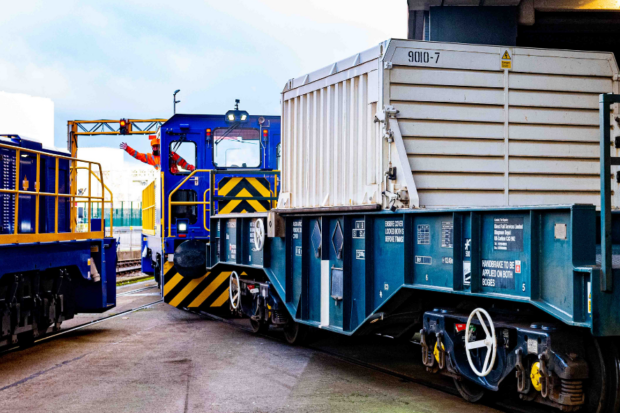
At Sellafield, we contribute by safely receiving, dismantling and storing spent fuel from AGR reactor fleet.
Every tonne of spent fuel we receive represents carbon-free energy already delivered to homes and businesses across the UK.
To put that into perspective, we currently receive around 200 tonnes of spent fuel every year. That is spent fuel that has already generated electricity, equivalent to just over 1.7 trillion kettles of water boiled.
Our role is to make sure that contribution continues to support the nation. We must also build the resilience into the system that is needed support the future defueling of the next four remaining AGR stations.
Supporting the UK's AGR programme
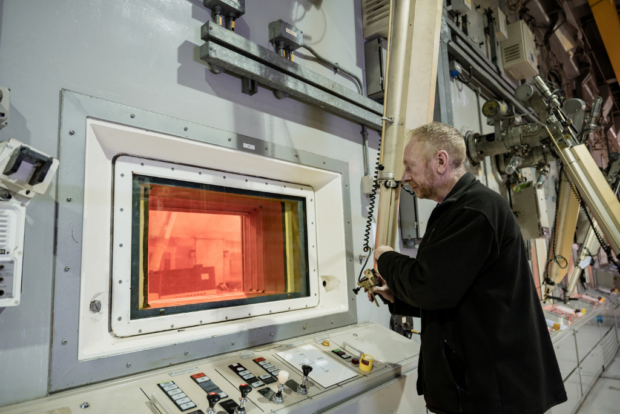
Sellafield is often seen primarily as a decommissioning site but the work we do to support the UK’s AGR programme includes:
- We safely and reliably receive used fuel. This enables the generating AGR power stations to continue
- At the same time, we support stations that have finished generating by allowing them to safely defuel the reactors to move into the next phase of their lifecycle.
That dual role places us at the heart of the UK’s AGR Operating Programme. This is a nationally important collaboration between EDF and the NDA group including, Nuclear Transport Solutions, ourselves and the Nuclear Decommissioning Authority. Once the reactors are defueled, they'll be handed over to Nuclear Restoration Services to decommission.
Together, we are ensuring spent fuel is managed safely, and efficiently. In doing so, we support government priorities around energy security, environmental responsibility and delivering value for the taxpayer.
Adaptation to meet demand
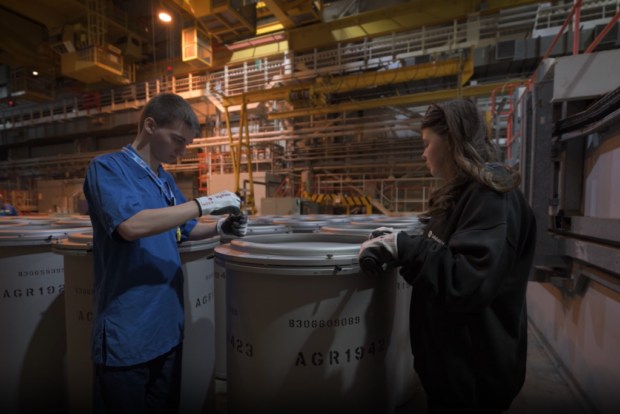
At the centre of this work are the Fuel Handling Plant, the interim AGR Storage Pond, the Thorp Receipt and Storage Pond and the Flask Maintenance Facility. These facilities have supported the UK’s nuclear programme for decades, and they evolve and adapt to continue to do so.
Every day, I see the ingenuity and commitment of our people in making sure these plants remain safe, reliable and fit for purpose.
In recent years, we’ve made a number of important improvements to how we operate:
- We’ve introduced more efficient storage arrangements within the pond so we can safely store more fuel in the same space.
- We’ve made targeted changes to how we receive and handle fuel to ensure we can do so as efficiently and reliably as possible.
- We’ve also enhanced how we manage pond conditions to make sure it remains suitable for the safe, long-term storage of AGR fuel.
- We’ve made improvements to process flows to support more efficient and reliable flask maintenance throughputs.
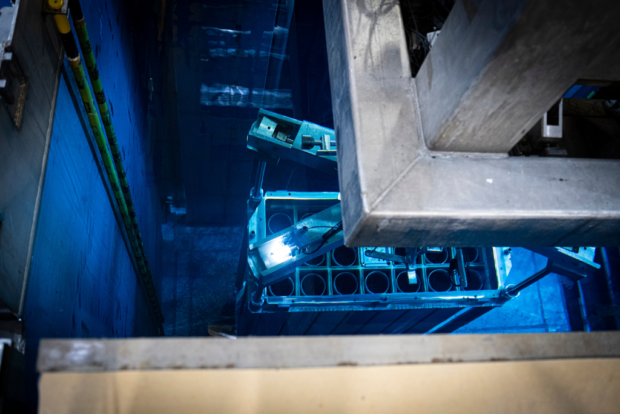
These adaptations have allowed us to meet the needs of the national programme without new infrastructure.
They show we can deliver value to the taxpayer whilst keeping safety and environmental standards high.
Readiness and reliability to enable the future
I’m proud of what our teams have already achieved.
We successfully supported the defueling of Hunterston B and Hinkley Point B. We continue to support the defueling of Dungeness B.
In doing so we successfully managed a significant increase in fuel movements through the system; moving from an historic average of around 150 tonnes per year to between 200 and 300 tonnes over the last few years.
That didn’t happen by chance. It was the result of careful planning, strong partnerships and the ability to adapt how we use our facilities to meet changing demand.
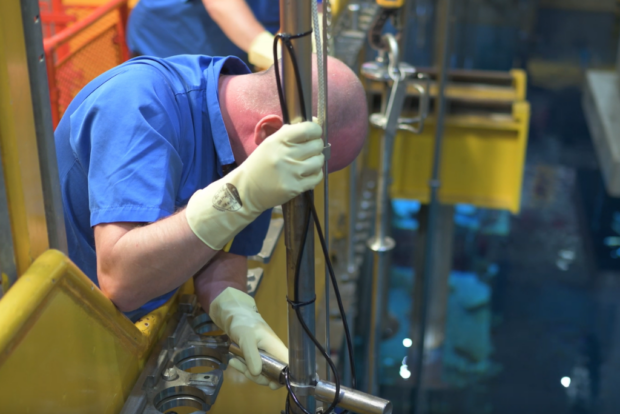
Looking ahead, we know there is more to do. Whilst further life extensions may come to fruition, we are already preparing for the next peak defueling phase.
We currently anticipate the four remaining AGR’s to commence defueling by the end of the decade. This will once again see more fuel move through the system.
To prepare for this:
- We are focusing on building resilience and reliability. This helps us respond well and support EDF’s defueling work without delays.
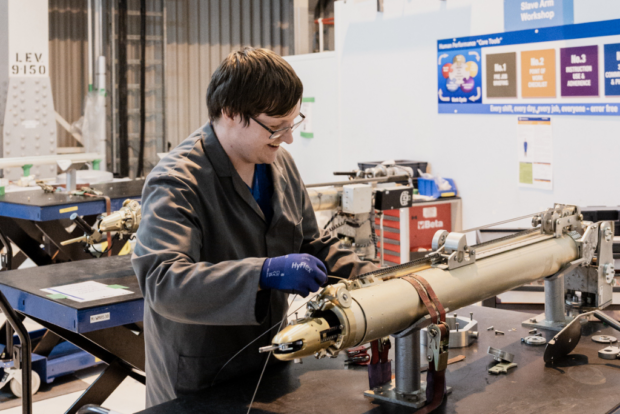
- We need the right resources in the right places. Our equipment must work well so operations can run smoothly over time and be responsive to national need.
- We need to continue to work closely with our partners. This helps us move fuel safely and on time.
The bigger picture
This work directly supports the Government’s energy security strategy and the NDA’s strategic priorities. By making the defueling programme efficient, we help reduce the overall cost of decommissioning for the UK taxpayer. We also continue to underpin the UK’s energy resilience.
Importantly, we are also keeping future options open. The way we store and manage AGR fuel today allows for flexibility as policy and technology evolve.
The decisions we make now will continue to support the UK’s long-term approach to managing nuclear materials.
Ultimately, my role - and the role of my team - is to ensure that spent fuel is managed safely, securely and efficiently every single day. This work is essential to both keeping the lights on today and enabling the clean-up of yesterday’s power generation fleet.
As the AGR programme continues to evolve, so will we. By building resilience into our facilities and our operations, I’m confident we are ready to meet what comes next. It will ensure we continue to play our part in the UK’s nuclear fuel cycle.
We’ve been innovative problem solvers for 80 years, and we’re here for the next challenge.
You may also be interested in:
Recent Comments